How to Whiten Your Teeth at Home
Everyone wants a whiter smile, but that doesn’t have to mean harsh chemicals or expensive treatments. At-home whitening can effectively remove stains and bring your teeth back to their natural ivory shade, while protecting your enamel and gums.
Whitening your teeth at home can be affordable and convenient, but it’s not without risks. Always read instructions carefully, especially if you have a history of weak enamel, cavities, or dental work. Professional treatment is still recommended for simple checkups, whitening, restoration, and dental emergencies.
Before you turn to at-home methods, it can be helpful to understand what is actually causing those stains.
What Causes Tooth Stains?
Preventing tooth discoloration and maintaining good oral hygiene go hand in hand. While teeth naturally darken with age, daily habits that wear down enamel over time are the cause of most stains. The most common causes of tooth stains include:
- Dietary influences like the frequent consumption of coffee, tea, cola, red wine, tomatoes, candy, berries, or soy sauce
- Smoking or chewing tobacco
- Caustic dental substances that contain silver sulfide or excessive fluoride
- Certain medications
- Damage from physical trauma
- Enamel thinning due to genetics or age
Staining can sometimes be a sign that your enamel is wearing down. When enamel thins, the yellowish layer underneath (called dentin) starts to show through. That’s why yellow is the most common type of discoloration. Darker stains, like brown or black, may be indicators of tartar buildup and can lead to cavities if left untreated.
This may sound daunting, but yellow teeth can become white again! Let’s explore some popular home remedies for whiter teeth!
6 At-Home Teeth Whitening Methods
Getting rid of yellow teeth requires little effort if you exercise consistent and effective dental hygiene habits. Consider these options to get a whiter smile in the comfort of your home.
Baking Soda
Baking soda is a mild abrasive that helps polish the surface of your teeth. Studies show it can reduce plaque and lift surface stains, making your smile noticeably brighter. Research also confirms that it’s safe on your enamel when used correctly!
To use baking soda:
- Form a paste with one part baking soda to two parts water — usually about one teaspoon of baking soda and two teaspoons of water
- Use a toothbrush to apply the paste evenly across your teeth
- Brush gently with a soft-bristle brush before rinsing
You can use this as part of your hygiene routine two to three times per week for a brighter smile!
Oil Pulling
Oil pulling is a gentle, natural way to detox your mouth and reduce stain-causing bacteria — especially if you have tooth sensitivity.
Coconut oil has natural anti-inflammatory and antioxidant properties. Swishing it around your mouth activates enzymes in your saliva that help pull toxins from your teeth and gums.
Research even shows that oil pulling for just one week can lower levels of Streptococcus mutans, which causes cavities and black tooth stains.
Practice oil pulling every day. Here’s how:
- Put a tablespoon of coconut oil into your mouth
- Swish for 30-60 seconds, rigorously moving it between your teeth
- Make sure you don’t swallow the oil
- Spit into the trash can, not the sink
- Repeat this practice every morning before you eat breakfast or brush your teeth
Oil pulling is a better alternative to mouthwash, as most mouthwashes destroy the bacteria in your mouth — both bad and good. This is especially true for kinds that contain alcohol.
And just a note: You do not need to practice oil pulling for 5-20 minutes. This is not necessary to gain the benefits of this anti-inflammatory practice, and it makes it a much easier habit to follow!
Fruits & Vegetables
While some fruits — like cherries and pomegranates — stain your teeth, others can actually whiten your teeth naturally and strengthen them.
Pineapple and mango contain enzymes like papain and bromelain, which support a healthier smile. These enzymes help break down the protein layer on your teeth that plaque-causing bacteria cling to — reducing buildup and stains. Even toothpaste made with these fruit-based enzymes can help whiten teeth.
Adding fruits like these — and other healthy foods — to your diet is a simple, natural way to support dental health and prevent gum disease.
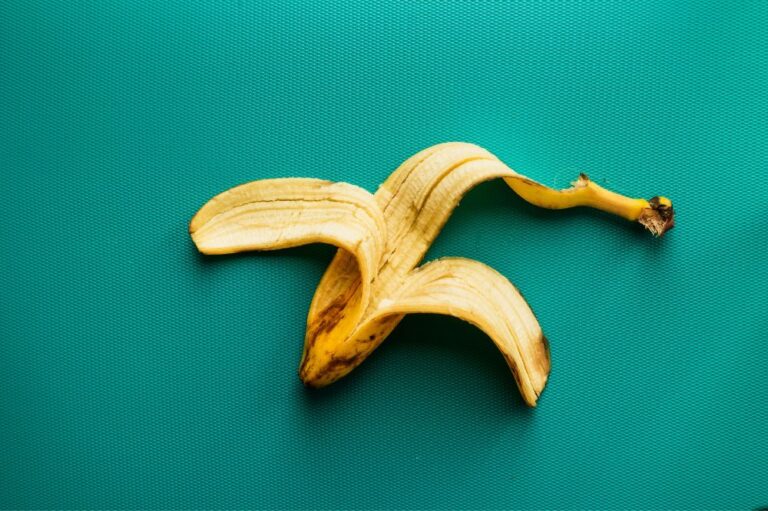
Trendy DIY methods like rubbing banana peels or using a strawberry and baking soda mixture have gained popularity online, but their whitening effects are often overstated. These methods may help remove some surface-level buildup, but they don’t change the color of your teeth.
Hydrogen Peroxide
Hydrogen peroxide has long been the go-to home whitening method in the dental world. Now that more information is available about the oral microbiome, it’s important to understand the potential risks.
While hydrogen peroxide is an effective bleaching agent, it kills harmful and beneficial bacteria. Since your mouth depends on a healthy balance of good bacteria, using peroxide too often can do more harm than good.
Highly diluted hydrogen peroxide removes surface-level stains from your enamel, but even low concentrations can alter tooth enamel. Natural whitening techniques erode the enamel far less than hydrogen and carbamide peroxide products.
Because of this, hydrogen peroxide is a whitening technique that comes with a caution — only use at a low concentration (5%). It’s not a healthy solution for quick, same-day whitening. It’s also best to use when applied directly to teeth, where it has minimal contact with your gums and tongue.
Whitening Toothpaste
Many whitening toothpastes use baking soda, which removes yellow surface stains from teeth. Others use bleaching agents like hydrogen peroxide and carbamide peroxide, which can provide a mild bleaching effect but can also cause tooth sensitivity and gum irritation.
Simply use whitening toothpaste the same way you use regular toothpaste. Squeeze a bit onto your toothbrush and brush as usual to gradually remove stains.
A disclaimer on whitening toothpaste: Most traditional ‘whitening toothpaste’ uses ingredients that have no business in your mouth because they disrupt your sensitive oral microbiome. Getting whitening treatments from your dentist (or a custom tray made by your dentist) is safer and far more effective if you want a significant, fast whitening effect.
Whitening Kits & Strips
Many turn to at-home teeth-whitening products, but most over-the-counter options use hydrogen peroxide as their primary ingredient.
It’s important not to overuse these whitening methods. Overexposure to harsh bleaching agents can cause tooth sensitivity and potentially damage enamel. Check the ingredients in your whitening kits and strips, and be mindful of how often you use them. Whenever possible, avoid allowing whitening strips to touch your gums (as this is a very easy way to cause gum irritation).
Mistakes to Avoid
Some popular DIY teeth-whitening techniques can harm teeth and overall oral health. Enamel damage is often permanent and may require in-office cosmetic treatments, such as veneers or fillings, to repair.
Some practices to avoid include:
- Apple cider vinegar and citrus fruits: Many recommend these as natural tooth whiteners, but their high acidity can irreversibly damage enamel. Consuming large quantities of vinegar can cause dental erosion.
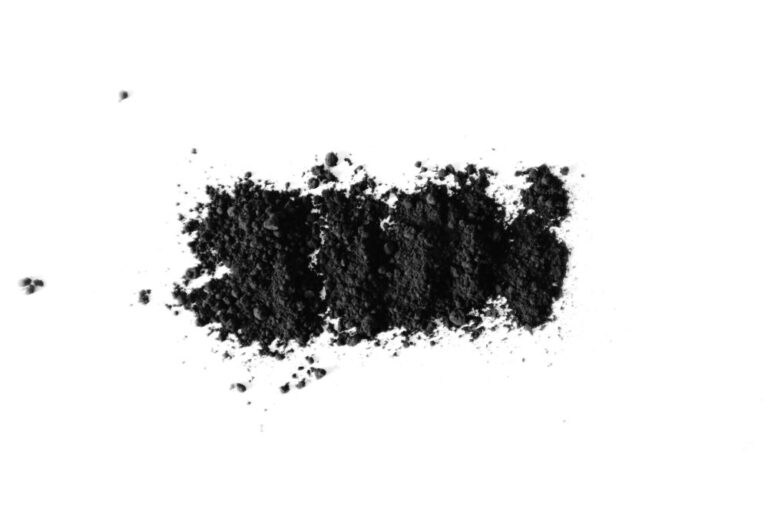
- Charcoal: American Dental Association (ADA) research found that using toothpaste containing activated charcoal leads to damaged enamel and tooth erosion.
- Tooth bleaching (or “caustic treatments”): Whitening agents, like peroxide, promise instant or overnight results. However, overusing these products can lead to enamel erosion and long-term damage.
Safety Considerations
Many whitening methods promise to make your teeth shine quickly and easily, but getting a brighter smile takes time.
Practices that don’t nurture your oral cavity can cause further damage, including:
- Worsened discoloration or surface stains
- Enamel erosion
- Sensitivity
- Spots/blotches on the tooth enamel (fluorosis)
- Cracked or chipped teeth
- Pain or irritation
If you notice any of these after using a new at-home teeth whitening method, stop what you’re using immediately and set up an appointment with your dentist.
Everyday Habits That Keep Your Teeth White
The best way to have sparkling white teeth is to keep them white to begin with by practicing good oral hygiene daily. Implement these practices to work toward whiter teeth:
- Eat organic and healthy foods: Apples, milk, pineapple, mango, and other vitamin-rich foods can help strengthen and keep teeth healthy.
- Cut back on damaging practices: Avoid consuming high-tannin drinks, acidic foods, tobacco products, and excessive sugar.
- Cultivate a balanced, thriving oral microbiome while fighting plaque: Brush (gentle electric toothbrushes are best) and floss regularly to remove food particles and the microbes that cause tooth decay. Practice oil pulling regularly. Avoid using highly antibacterial mouthwashes.
- Semiannual visits to the dental hygienist: Have your teeth professionally cleaned and inspected every six months.
Proper and consistent dental hygiene techniques that foster oral health, like oil pulling and brushing after meals, are the best home remedies for whitening teeth. Consult your dentist if you notice a rapid change in your teeth’s color, sensitivity, or texture.
FAQs
When to See a Dentist
While the home remedies mentioned are effective against surface stains, you may need professional whitening for deeper discoloration. Rejuvenation Dentistry uses natural techniques to rebuild your enamel and revive its natural look. One option that Rejuvenation Dentistry offers is ozone dental therapy. This noninvasive procedure eliminates tooth decay, remineralizes weakened enamel, and can help restore teeth’s whiteness.

Dr. Gerry Curatola
Dr. Gerry Curatola is a renowned biologic restorative dentist with more than 40 years of clinical practice experience. He studied neuroscience at Colgate University and attended dental school at the New York University (NYU) College of Dentistry where he now serves as Adjunct Clinical Associate Professor in the Department of Cariology and Comprehensive Care.
Dr. Gerry Curatola
Dr. Gerry Curatola is a renowned biologic restorative dentist with more than 40 years of clinical practice experience. He studied neuroscience at Colgate University and attended dental school at the New York University (NYU) College of Dentistry where he now serves as Adjunct Clinical Associate Professor in the Department of Cariology and Comprehensive Care.