Benefits of Vitamin K2 for Teeth
Vitamin K2 is an essential vitamin for your dental health and overall wellness, especially when paired with vitamin D3.
You may not get enough vitamin K2 in your diet since it is mostly in foods uncommon in American diets. Keep reading to learn more about the oral health benefits, how to get enough K2 in your diet, and whether or not you should invest in vitamin K2 supplements.
Read more about the connection between your mouth and your holistic health in my book.
Vitamin K2 vs. K1
Vitamin K1 (phylloquinone) and K2 (menaquinone 4 through 13) were grouped under the umbrella term “vitamin K” because they’re both vital to your body’s natural blood clotting abilities, and they have similar chemical structures.
But since their discovery, scientists have learned that they’re very different.
- Purpose: While both K vitamins regulate coagulation (blood clotting), vitamin K2 also helps regulate cardiovascular and bone health.
- Source: Vitamin K1 is found primarily in leafy green vegetables, but vitamin K2 is found in fermented foods and, in smaller amounts, animal products. A healthy gut microbiome also produces some K2. Vitamin K2 deficiency is more common than vitamin K1 deficiency.
- Bioavailability: Vitamin K2 is better absorbed from your digestive tract into your bloodstream than vitamin K1.
- Health benefits: Vitamin K1 is essential for healthy blood clotting (not too much, not too little), but vitamin K2 also supports healthy teeth, strong bones, and your entire cardiovascular system.
How It Supports Oral Health
Vitamin K2 is good for your heart and bone health, as well as your oral health. Below, I’ll cover the specific, evidence-based health benefits that vitamin K2 has on your teeth and gums.
Strengthens Enamel
Especially when paired with vitamin D3, Vitamin K2 aids in the transport of calcium from your bloodstream to your bones and teeth. This is the biggest K2 benefit for strong teeth.
If you have plenty of calcium in your system, a healthy oral microbiome remineralizes your tooth enamel, which helps prevent tooth decay. K2 ensures that calcium is bioavailable to remineralize your teeth.
Vitamin K2 even helps bind calcium directly to your teeth by activating the protein osteocalcin.
Reduces Inflammation
Research shows that vitamin K2 also reduces inflammation, which improves oral health. Inflammation can contribute to gingivitis and oral bacterial dysbiosis, and also plays a role in overall health problems like chronic fatigue and heart disease.
Studies conclude that Vitamin K2 may reduce inflammation by disrupting inflammation responses and synthesizing anti-inflammatory biofactors. K2 tackles inflammation from both ends.
Regulates Clotting
Normalizing blood clotting is the earliest known health benefit of vitamin K2. Your blood may not clot properly if you’re deficient in this important nutrient. You don’t want blood clotting to be too slow or too excessive, and K2 helps maintain the right balance.
Blood clotting impacts oral health because of gum bleeding. Poor coagulation means you’re more likely to experience gum bleeding.
Clotting is also necessary after dental procedures so your mouth can heal properly. Talk to your dental healthcare provider about clotting before any dental care procedure.
Why It’s Important to Get K2 with D3
Vitamin K2 works synergistically with vitamin D3. While D3 helps you absorb more calcium, K2 actually helps transport it.
K2 Alone = Hypocalcemia: Too much K2 can lower blood calcium levels without D3 playing an important role in increasing calcium absorption. This is unlikely to happen with vitamin K2 ingested via food, but if you supplement it, hypocalcemia is a genuine concern.
D3 Alone = Hypercalcemia: Too much D3 can increase blood calcium to dangerous levels without K2, which transports calcium from the blood to where it’s needed. Again, this is most common when taking supplements, but these two nutrients are very synergistic in general.
But consuming vitamin K2 with vitamin D3 means you’re getting more calcium, and that calcium is getting to the right place! And if you need more vitamin D but don’t want to supplement, stand in the sun each day for 10-15 minutes — it’s the most natural way to boost your levels!
Are You Getting Enough Vitamin K2?
It’s critical that you get plenty of vitamin K2, either from your diet or through dietary supplements.
Warning signs of vitamin K2 deficiency include:
- Bleeding that won’t stop
- Easy nosebleeds or gum bleeds
- Easy bruising
- Heavy menstruation
- Weak, brittle bones
- Easy bone fractures
- Joint pain
- Pale skin
- Jaundice
- Persistent fatigue
- Seizures
- Frequent infections
Below are the life stages when levels of vitamin K2 are most likely to be low:
- Children and adolescents
- Pregnant and nursing women
- Older adults
- Individuals with a history or family history of coagulation issues, diabetes, cholestasis, celiac disease, cystic fibrosis, or bone health problems like osteoporosis
- People with gum disease or tooth decay
Remember, prevention is easier than repair. Getting enough Vitamin K2 can stop expensive health problems from arising before they cost you.
Where to Find It: Diet, Lifestyle, and Supplement Tips
You should try to get plenty of vitamin K2 in your diet, primarily through whole, nutrient-dense foods. The two primary dietary sources of vitamin K2 are fermented foods and animal products, such as:
- Natto, a common Japanese dish made from fermented soybeans
- Sauerkraut
- Hard cheeses
- Egg yolks
- Organ meats, such as liver
- Eel
- Grass-fed butter
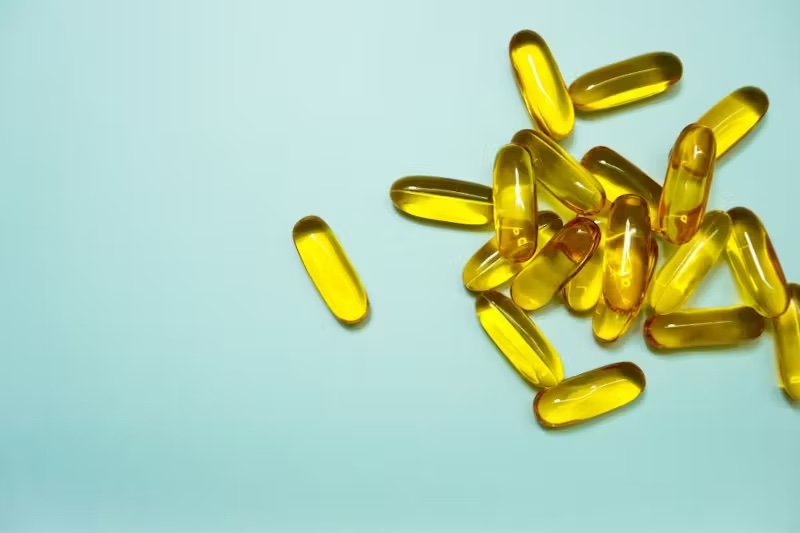
What to look for in supplements: When selecting a vitamin K2 supplement, I recommend the MK-7 form over the MK-4. MK-7 is longer-lasting and better-absorbed.
Look for supplements that are:
- Soy-free
- Non-GMO
- Third-party tested for purity and potency
Lifestyle tips to support nutrient absorption: Since K2 is a fat-soluble vitamin, taking a vitamin K2 supplement with a meal high in dietary fat should increase absorption. Don’t take vitamin K2 on an empty stomach.
Including K2 in Your Toothpaste
You can get vitamin K2 from your toothpaste, not just diet and supplements. Natural toothpastes, like Revitin, can deliver K2 into your system during your daily oral hygiene routine, strengthening your oral health and supporting healthy bones and heart health.
Consider Revitin, a biocompatible toothpaste that contains vitamin K2 and vitamin D3 to promote healthy gums and teeth. Revitin is the world’s first toothpaste designed to support a healthy microbiome.
FAQs
Nourish Your Body and Your Teeth
Oral health impacts the health of the whole body, and vice versa. Issues with teeth, gums, or the oral microbiome often signal problems elsewhere in the body. Vitamin K2 deficiency is just one example.
Make sure to get enough vitamin K2 through a balanced diet or dietary supplements, and don’t forget to visit your dentist twice yearly to maintain a healthy mouth!
Schedule an appointment with Rejuvenation Dentistry to support your oral health with safe, evidence-based biologic dental procedures.

Dr. Gerry Curatola
Dr. Gerry Curatola is a renowned biologic restorative dentist with more than 40 years of clinical practice experience. He studied neuroscience at Colgate University and attended dental school at the New York University (NYU) College of Dentistry where he now serves as Adjunct Clinical Associate Professor in the Department of Cariology and Comprehensive Care.
Dr. Gerry Curatola
Dr. Gerry Curatola is a renowned biologic restorative dentist with more than 40 years of clinical practice experience. He studied neuroscience at Colgate University and attended dental school at the New York University (NYU) College of Dentistry where he now serves as Adjunct Clinical Associate Professor in the Department of Cariology and Comprehensive Care.