Hypoxemia (Low Blood Oxygen): Symptoms, Causes, Treatments
Hypoxemia, or low blood oxygen, can have a significant effect on your body’s ability to function. Learn the warning signs and how treatment can help.
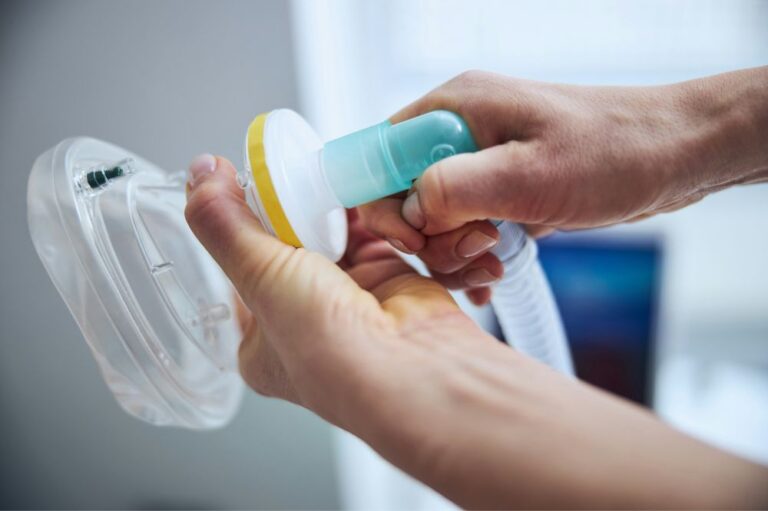
Hypoxemia, or low blood oxygen, can have a significant effect on your body’s ability to function. Learn the warning signs and how treatment can help.

Causes of teeth grinding range from sleep apnea to anxiety to parasites to medications. You may need to work with your doctor/dentist to determine the root cause.

To stop grinding teeth in your sleep, the root cause of your grinding should be assessed. For most people, the DNA appliance is the best bruxism treatment.

To stop grinding your teeth, you must address the root cause. This is often stress (for daytime clenching/grinding) or sleep disorders like sleep apnea.
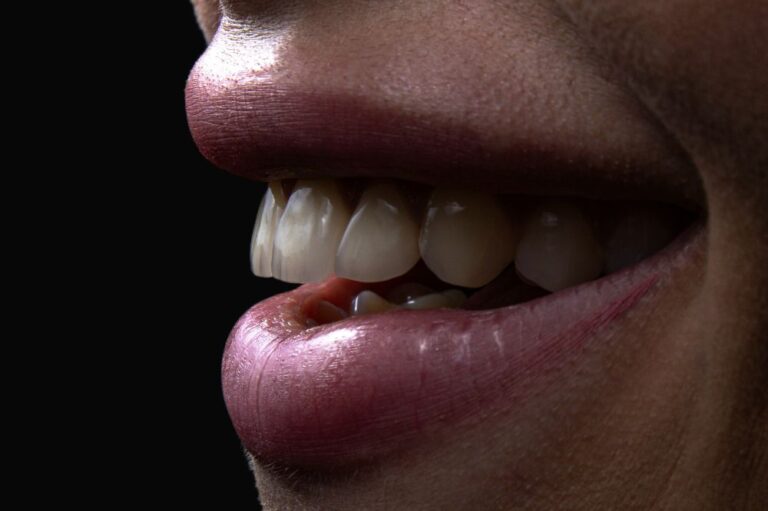
Teeth grinding (bruxism) is a common and often overlooked medical condition. Common causes of bruxism include chronic stress and sleep-disordered breathing.

The nasal cavity, above the bone forming the roof of the mouth, is where the air you breathe in is filtered and warmed before entering the lungs.

Sleep apnea in children, or pediatric sleep apnea, is a serious sleep-disordered breathing condition that may lead to major health problems, left untreated.

The respiratory tract refers to the upper airway (nose/nasal cavity, sinuses, pharynx) and lower airway (larynx, trachea, bronchial tree, lungs, alveoli).
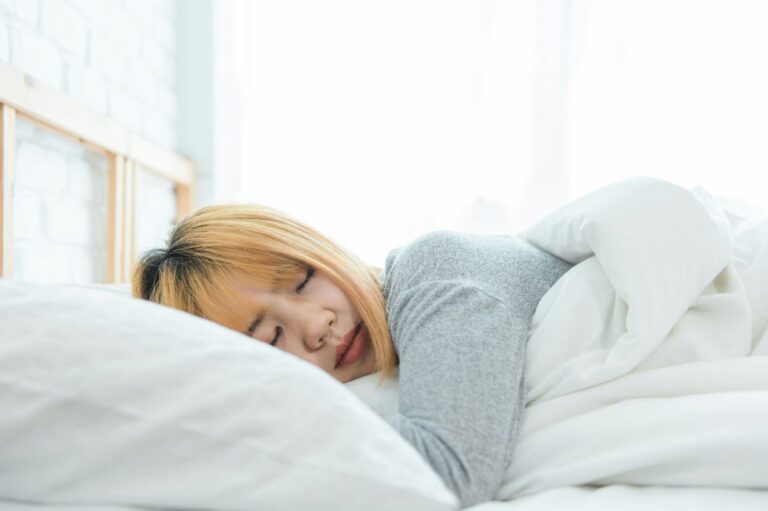
AHI (the Apnea-Hypopnea Index) is the average number of times per hour a person experiences breathing interruptions. It determines the severity of sleep apnea.